A DUI arrest in California can lead to a vehicle impound, but how long the car sits depends on which of several different laws actually applies, and the famous 30-day hold usually isn’t the DUI-specific law itself. This post walks through the actual statutes, how long each one runs, and how release works. For the dollar breakdown of tow, storage, and release fees, see the cost to get a car out of impound. Quick Tow SD doesn’t run any impound lot and can’t release a police-held car. Once the impounding agency clears the vehicle, we’re the ones who tow it home for you.
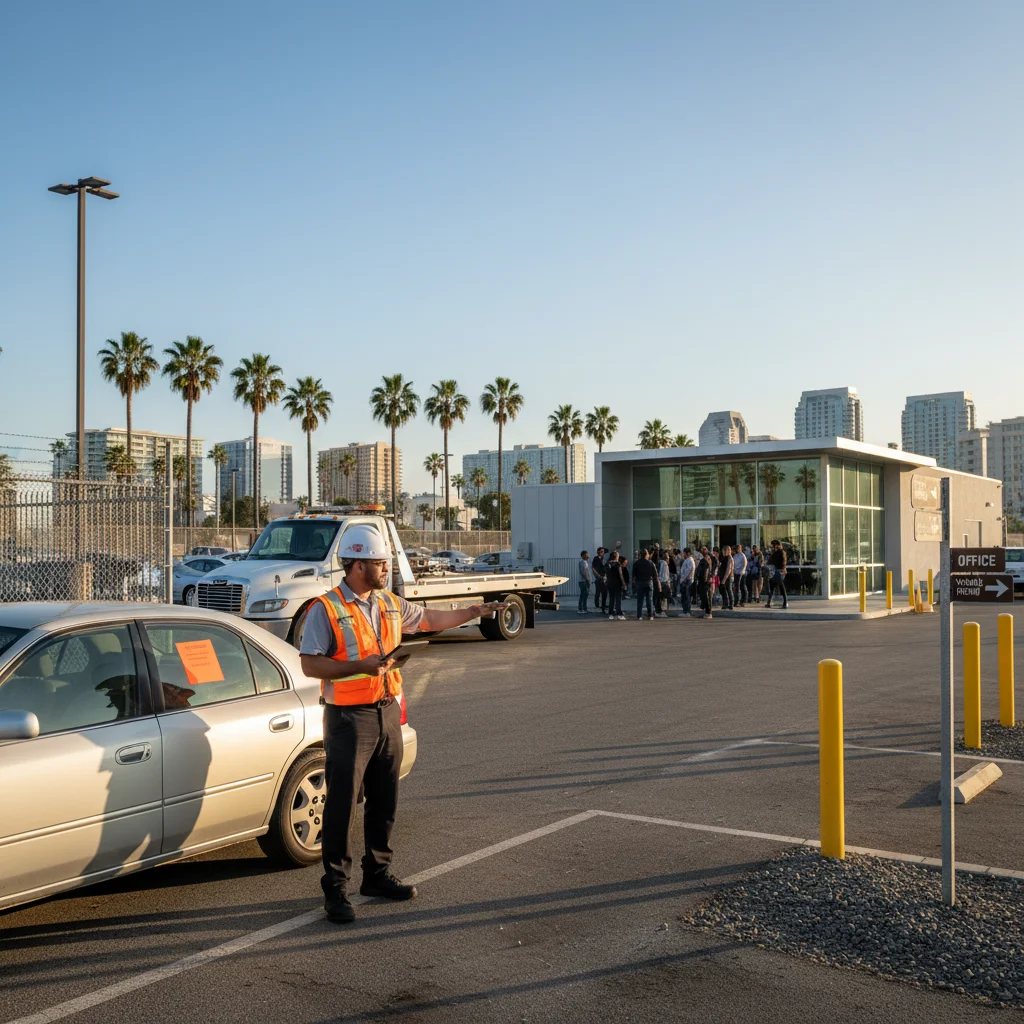
Getting pulled over for a suspected DUI is stressful enough without also wondering what happens to the car. San Diego police and CHP both impound vehicles connected to DUI arrests, and the length of that hold depends on which section of the California Vehicle Code the officer or court actually cited. Knowing which one applies to your situation tells you roughly how long you’re looking at, and what you need to bring when you go get the car.
Why DUI impounds happen
California has four different vehicle code sections that can hold a car after a DUI arrest, and they don’t all mean the same thing.
Vehicle Code 14602.6 is the law behind the 30-day impound most people have heard about, and it isn’t actually a DUI statute. It applies when someone drives on a suspended or revoked license, drives on a restricted license without a required interlock device, or has never been licensed at all. A vehicle impounded under this section is held for 30 days, full stop. It comes up constantly in DUI cases because a prior DUI conviction often means the driver’s license is already suspended, which is why the two get lumped together in people’s minds.
Vehicle Code 14602.8 is the impound written specifically for DUI, and it runs shorter than most people expect. It applies when the driver is arrested for DUI under 23140, 23152, or 23153, has a prior DUI conviction within the past 10 years, and either blew a 0.10 or higher or refused the chemical test. The hold runs 5 days with one prior conviction, 15 days with two or more.
Vehicle Code 23594 is different again. It’s a court-ordered impound handed down at sentencing after a DUI conviction, not an administrative hold at the roadside. A first or second conviction can carry 1 to 30 days, a third or later conviction within 5 years can run up to 90 days, and it’s mandatory for repeat offenders unless the court finds unusual circumstances. There’s an exemption if the vehicle is the only one the family has.
Vehicle Code 23596 is the forfeiture law, and it’s the most serious of the four. For DUI vehicular manslaughter, or a DUI within 7 years of two or more prior qualifying convictions (one prior counts if that case involved injury), a court can declare the vehicle a nuisance and order it sold after a hearing. There’s a sole-family-vehicle exception here too. This one is rare, but worth knowing it exists.
A first DUI with no priors and a valid license normally means a routine tow, not a statutory hold. Pay the fees, show your paperwork, and the car comes home.
This is general information, not legal advice, and every case has its own facts. A DUI defense attorney can tell you exactly which code applies to your arrest and what your options are.
How long does a DUI impound actually last
There’s no single answer, because it depends on which statute the officer or court cited.
- First DUI, no priors, valid license: Usually a routine tow. No 30-day hold, no 5- or 15-day hold, just the standard release process once fees are paid.
- DUI with a prior conviction and a suspended license: This is where the 30-day hold shows up, but it’s VC 14602.6 doing the holding, the suspended-license law, not a DUI-specific statute.
- DUI with a prior conviction and a high BAC or a test refusal: VC 14602.8 applies here directly. Expect 5 days with one prior conviction, 15 days with two or more.
- Post-conviction sentencing: VC 23594 can add 1 to 30 days for a first or second conviction, or up to 90 days for a third or later within 5 years, as part of the court’s sentence.
Here’s the one thing worth remembering: the 30-day number almost everyone searches for belongs to VC 14602.6, the suspended-license impound, not VC 14602.8, the actual DUI-specific one. If you’re trying to figure out how long your car will sit, ask which code is on the tow paperwork before you assume it’s 30 days.
If you’re not sure which situation you’re in, the arresting agency’s tow record or your citation paperwork will say which code was cited. That’s the fastest way to know what you’re dealing with.
Who can get the car back
This is the part that surprises a lot of families. If the arrested driver isn’t the registered owner, the actual owner often has a path to reclaim the vehicle without waiting out the full hold. Under VC 14602.8, the car can be released early to a different registered owner who agrees in writing not to let the arrested driver use it again until the hold period ends, and who shows a valid license and current registration. A parent whose kid borrowed the car, or a spouse on a single-owner title, is exactly the situation this path is built for.
Under VC 14602.6, release options include a storage hearing to challenge whether the impound was valid in the first place, early release in specific defined situations (the vehicle was stolen, or the driver reinstates their license and shows proof of insurance, among others), and retrieval by a lienholder.
The driver, once eligible, and the registered owner both still have to show up with the right paperwork and pay what’s owed. Nobody gets a car released by phone.
What you need to release the vehicle
Bring these to the impound lot or tow yard holding the car:
- Registered owner’s photo ID
- A valid driver’s license. A restricted or temporary license is often accepted, but confirm with the lot first.
- Proof of registration (current registration card or a DMV printout)
- Proof of insurance
- Payment for the tow, storage, and any administrative release fee
Every lot wants these documents matched to the name on the release. If the registered owner is picking up the car instead of the driver, bring the owner’s ID and registration, not the driver’s.
The storage clock doesn’t stop for court dates
This is the part that catches people off guard financially. Daily storage starts accruing the day the car arrives at the lot and keeps running the entire hold, whether that’s the 5- or 15-day DUI hold under 14602.8, the full 30 days under 14602.6, or whatever a court orders under 23594. A regular passenger vehicle held the full 30 days can run over a thousand dollars once storage, the tow fee, and the mandatory release fee are added up. For the actual dollar figures, current daily rates, and how the release-day math works, read the full cost to get a car out of impound breakdown rather than guessing.
If you think the impound itself was improper, San Diego offers a post-storage hearing where you can challenge the hold. Winning doesn’t erase money already owed, but it can get the car released early and stop the clock from running further.
What to do while the car is held
Waiting out a DUI impound is hard, but a few things help.
Confirm which lot has the car and call ahead before driving out. Ask directly which vehicle code the impound was filed under, since that tells you whether you’re looking at 5 days, 15 days, or 30, and what the release process actually requires. If you’re the registered owner and not the driver, say so up front. It can change what they ask for.
If you’re worried the hold itself doesn’t apply to your case, or the number of days feels wrong given the facts, a conversation with a DUI attorney is worth it before you go stand in an impound lot arguing with staff who can’t override the hold anyway.
For general guidance on your rights during any tow or impound situation in San Diego, not specific to DUI, see know your rights on towing. And if the hold period runs out and nobody claims the car, it can end up in lien sale territory, which is a separate problem worth avoiding.
Once the car is released
The moment the impound lot clears the vehicle, it’s yours to take. That’s exactly where we come in. Quick Tow SD doesn’t hold impounded cars and can’t speed up a DUI hold, but once the lot releases your vehicle, call us at (858) 923-5787 and we’ll tow it straight home so you’re not driving it yourself or scrambling for a ride back out to the lot.
A DUI impound is stressful, and the paperwork rules aren’t always obvious from the outside. Knowing whether you’re looking at a routine tow, a 5- or 15-day hold under VC 14602.8, or the 30-day hold under VC 14602.6, and whether you qualify as the registered owner instead of the driver, makes the whole process a lot less confusing.